Modern home office setup with a monitor, ergonomic chair, keyboard, and indoor plants near a window with blinds.

Details

Dementia assistive app

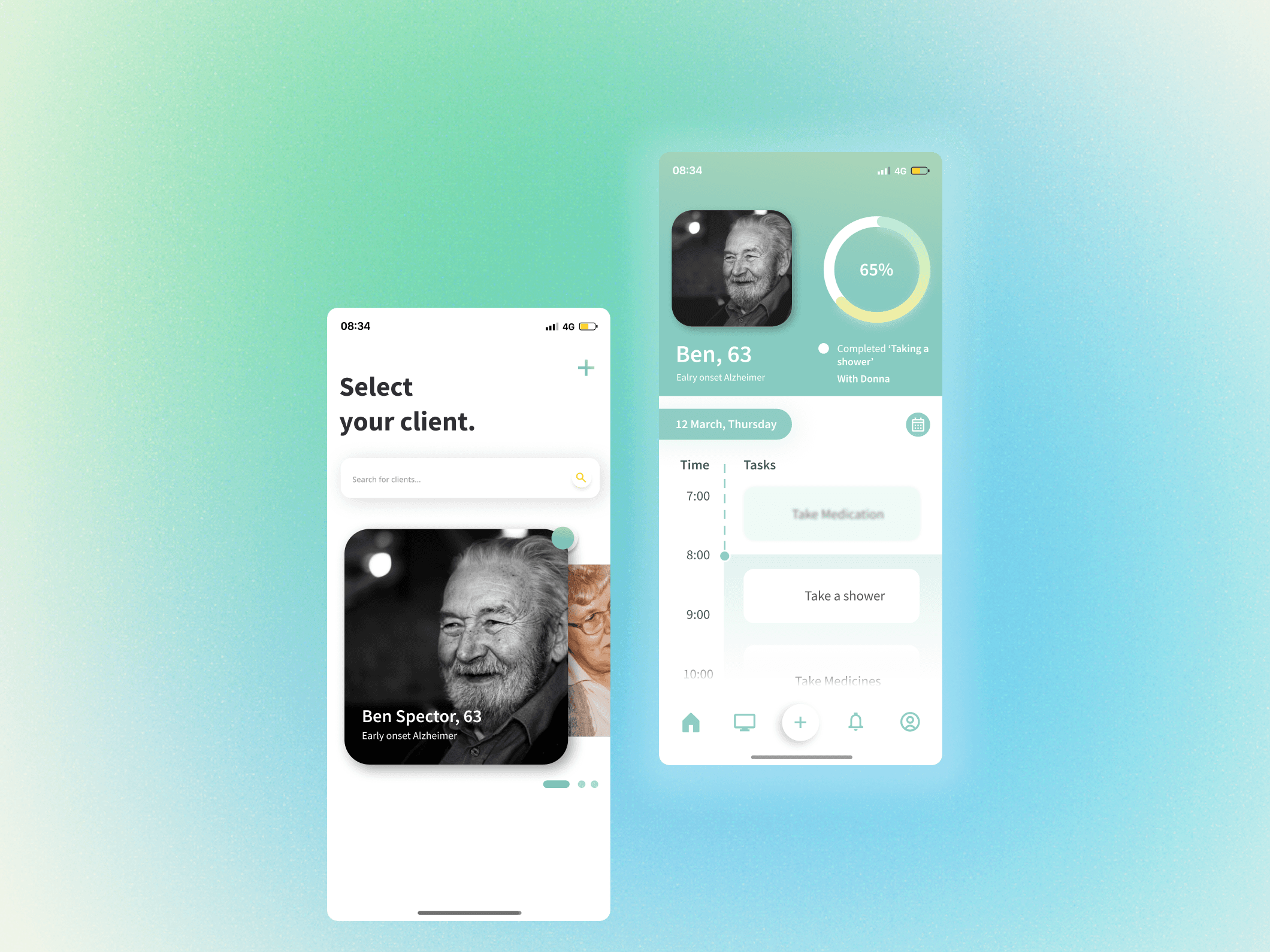
Cue helps people living with Alzheimer’s in accomplishing their daily routines, while relieving stress from care providers. Through our real-time monitoring platform, we aim to maximize quality of life by facilitating effective care.

Impact

Best in festival - Design for Health, Wellness, Aging and Inclusion

Top Finalist - RBC Ownr Pitch Competition

My role

Project Lead

UX/UI Design

UX Research

Team

Lisa Eunhye Yi

Adrian Liu

Parmis Rambet

Timeline

2019 - The first design was published

2020 - Started pitching the idea to hospitals and sponsors, and invited to several exhibitions.

2021 - Applied for student funding: seed money

the kick off
A 4-month Collaborative project with Baycrest Hospital

A 4-month Collaborative project with Baycrest Hospital

designing an innovating assistive products for people living with dementia, their caregivers and families, each solution reflecting the individual abilities, needs and wants of clients and/or care providers at the hospital.

designing an innovating assistive products for people living with dementia, their caregivers and families, each solution reflecting the individual abilities, needs and wants of clients and/or care providers at the hospital.

We explored investigative, user-first, ground-up ways to better design the solution, and consider how those approaches recognize and facilitate our personal, physical and mental diversity. We used design as a tool to rethink and reframe health less in terms of addressing medical deficits and more in terms of supporting cultural and social models of support, care, well-being and aging.

We explored investigative, user-first, ground-up ways to better design the solution, and consider how those approaches recognize and facilitate our personal, physical and mental diversity. We used design as a tool to rethink and reframe health less in terms of addressing medical deficits and more in terms of supporting cultural and social models of support, care, well-being and aging.

Modern home office setup with a monitor, ergonomic chair, keyboard, and indoor plants near a window with blinds.
Problem finding

Early Onset Alzheimer Patients often have issues in difficulty following multiple step instructions, experience increased frustration, losing their train of thought more often, and remembering daily routines and tasks that need to be achieved throughout the day.

Early Onset Alzheimer Patients often have issues in difficulty following multiple step instructions, experience increased frustration, losing their train of thought more often, and remembering daily routines and tasks that need to be achieved throughout the day.

Our stakeholders, Families and caregivers often get overwhelmed by trying to provide effective care while managing their own lives. Moreover, they face challenges with constructive communication and mutual understanding.

Our stakeholders, Families and caregivers often get overwhelmed by trying to provide effective care while managing their own lives. Moreover, they face challenges with constructive communication and mutual understanding.

HowmightweincreasethequalityofcommunicationbetweenpeoplewithDementiaandcaregiversintheirdailylifebyprovidingacueingtooltosupport,remindandencouragethemtoachieveessentialdailytasks?

HowmightweincreasethequalityofcommunicationbetweenpeoplewithDementiaandcaregiversintheirdailylifebyprovidingacueingtooltosupport,remindandencouragethemtoachieveessentialdailytasks?

discovery & research

Ethnography, Literature Review and Market

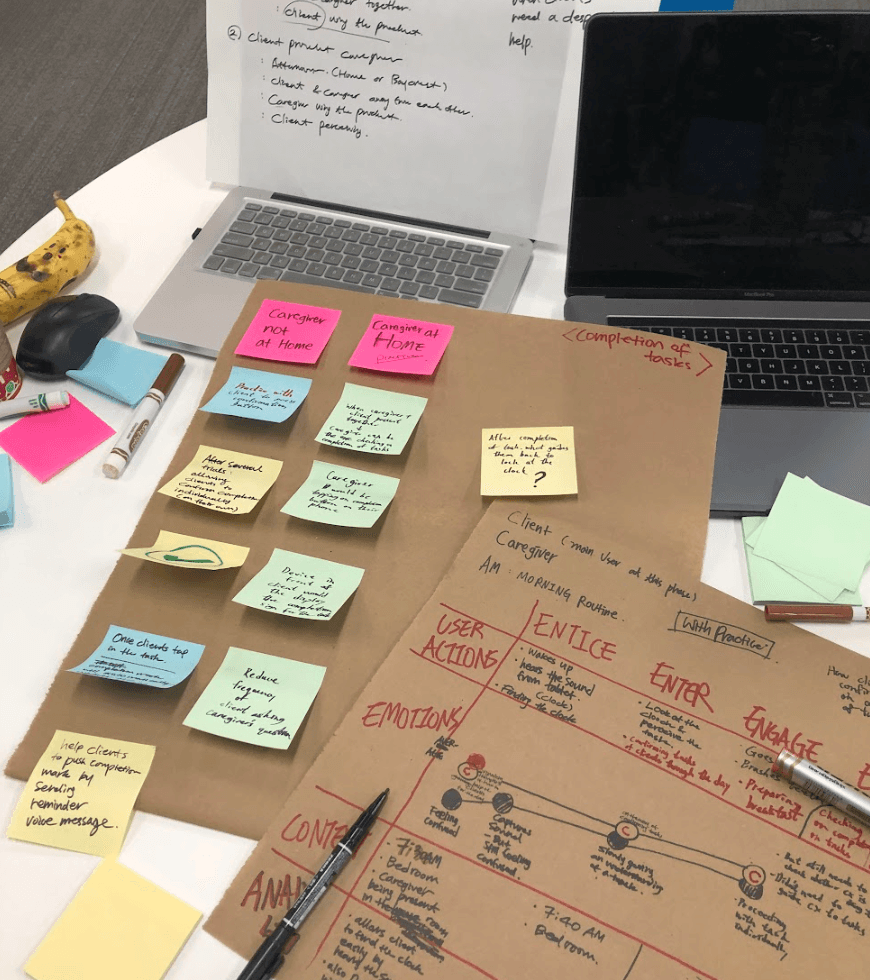
We conducted a multi-methodology research effort to better understand how it looks like living with dementia, how they wish to improve their quality of life, their daily routine, and how academic researchers have sought to explore these questions in their relative fields of study.
Modern home office setup with a monitor, ergonomic chair, keyboard, and indoor plants near a window with blinds.

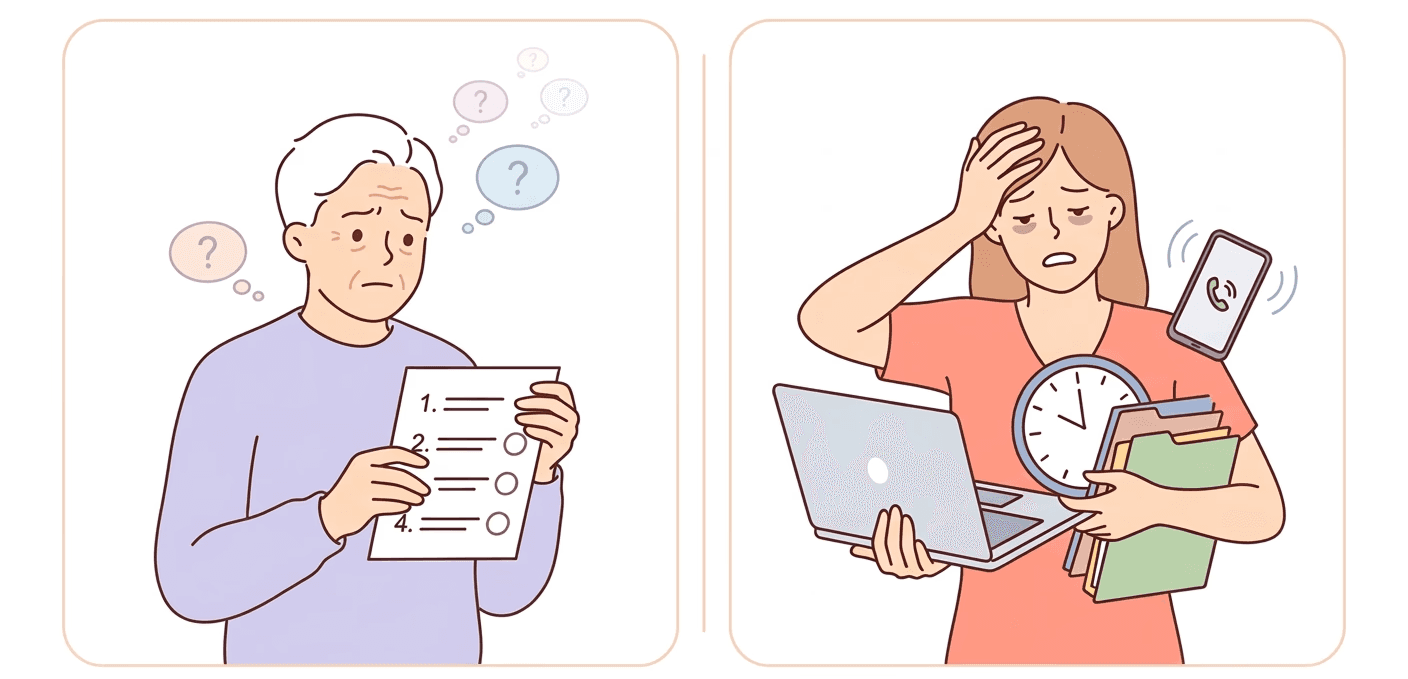
User 1 – Dementia Patient

Dementia patients have difficulty following multiple step instructions and remembering daily routines and tasks that need to be achieved through out the day.

User 2 – Caregiver

Caregivers often get overwhelmed by trying to provide effective care while managing their own lives.

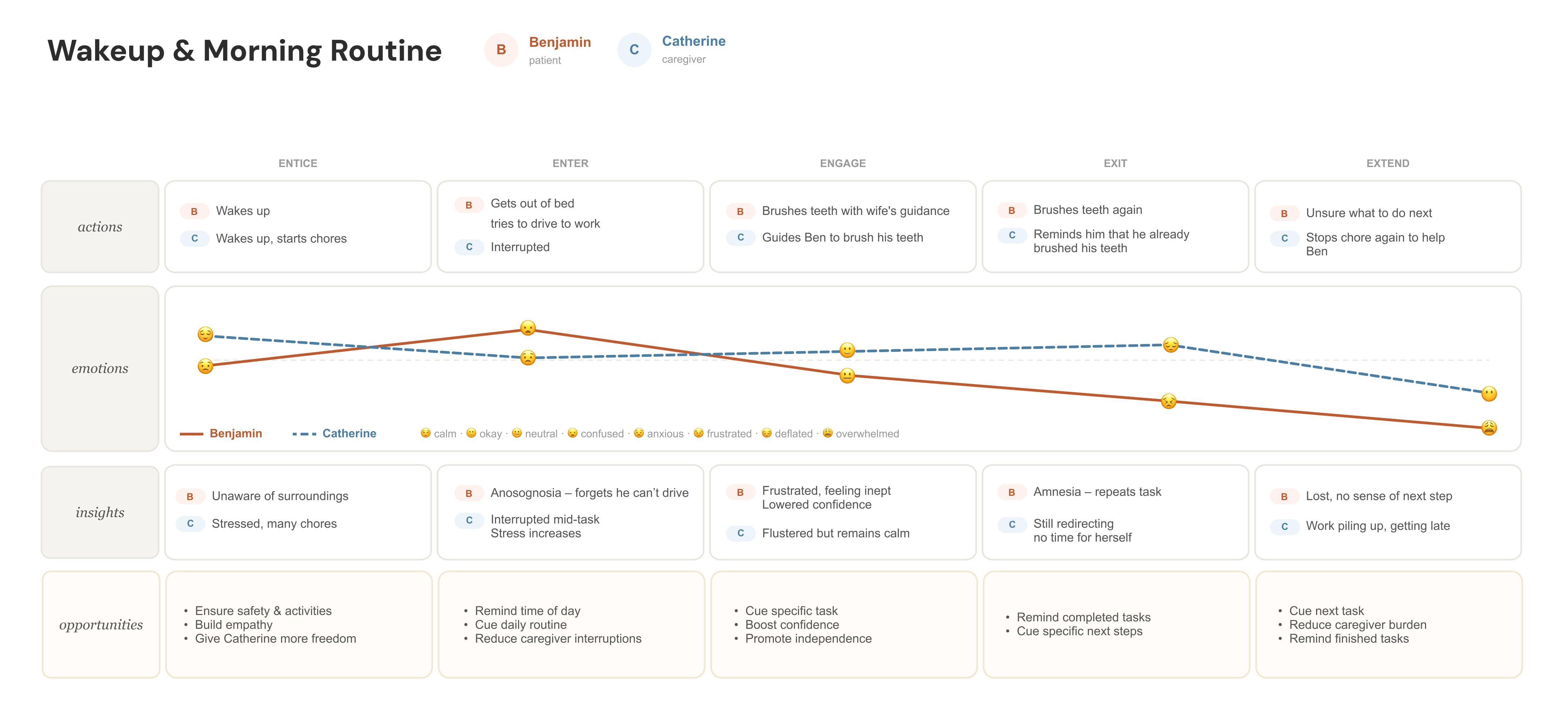
User Journey
Modern home office setup with a monitor, ergonomic chair, keyboard, and indoor plants near a window with blinds.
Investigation:

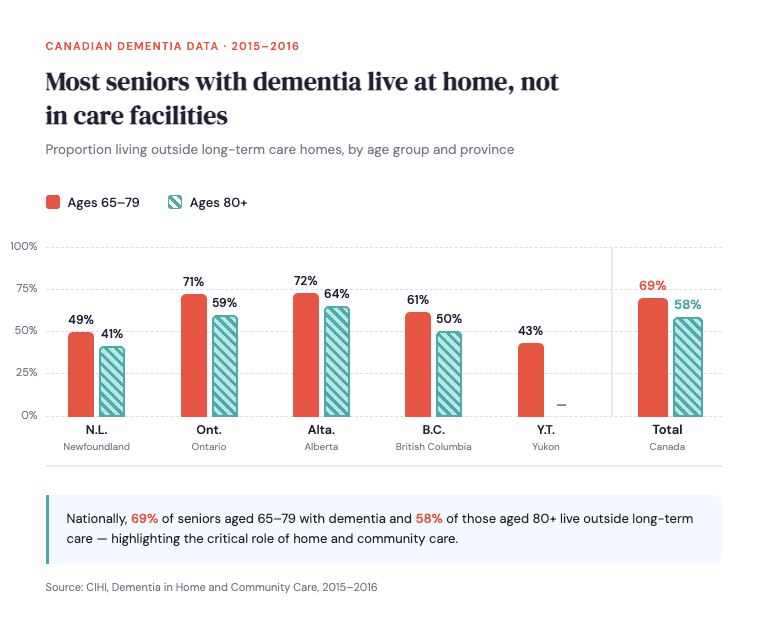
The market splits into two segments: in-home human care services and digital/app-based caregiver tools. A gap appears to exist between the two — most apps focus on education or advice, while home care services are human-delivered but vary widely in specialization. A product bridging real-time support with caregiver training and smart-home safety (like Baycrest's sensor approach) seems underexplored.
Modern home office setup with a monitor, ergonomic chair, keyboard, and indoor plants near a window with blinds.

ThedigitalmarketinthefieldofDementiacareisgrowing.Theappsrangefromgamestopreventcognitivedeclinetocommunitydiscussionplatforms.

ThedigitalmarketinthefieldofDementiacareisgrowing.Theappsrangefromgamestopreventcognitivedeclinetocommunitydiscussionplatforms.

the iterations

Physical device for the patients

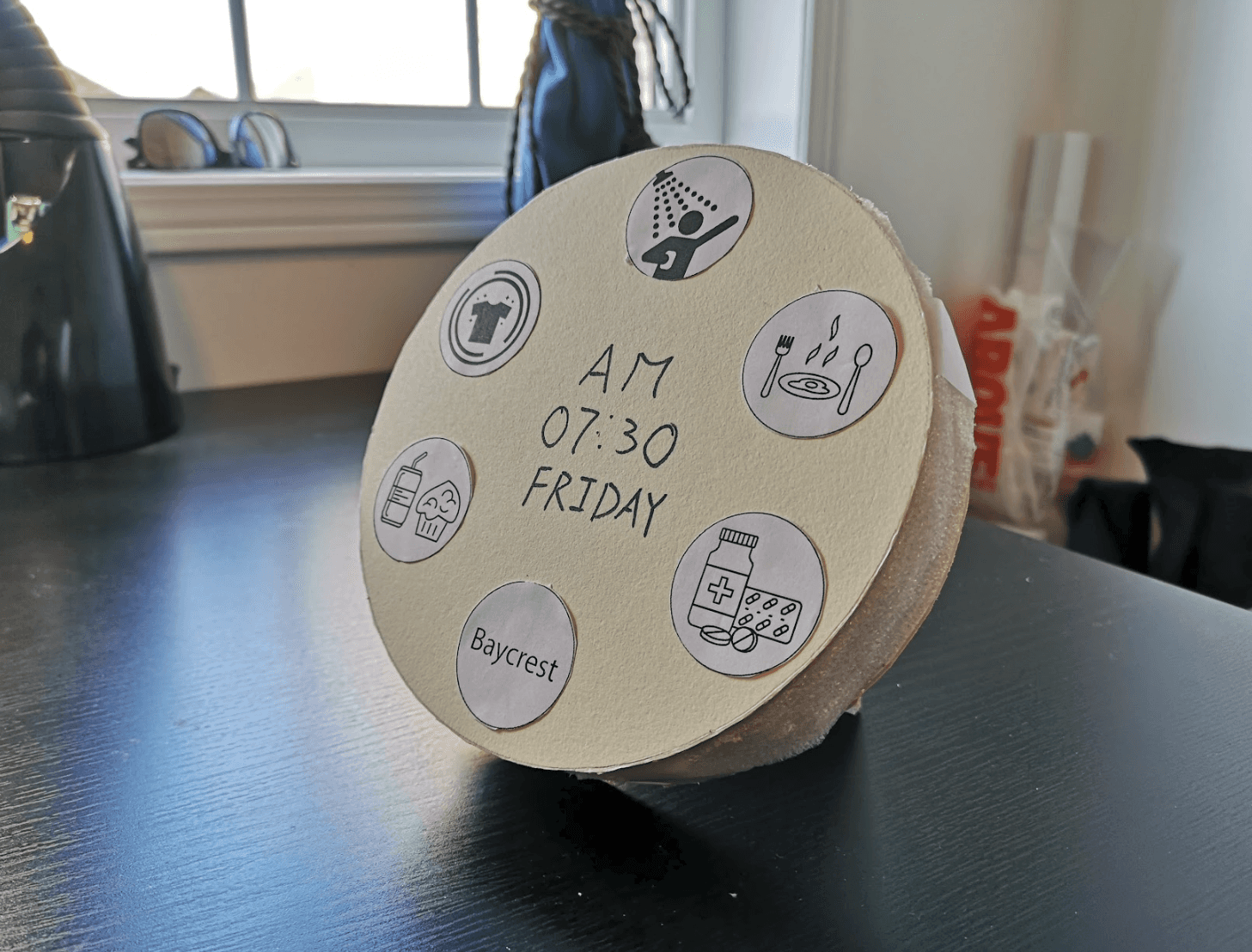
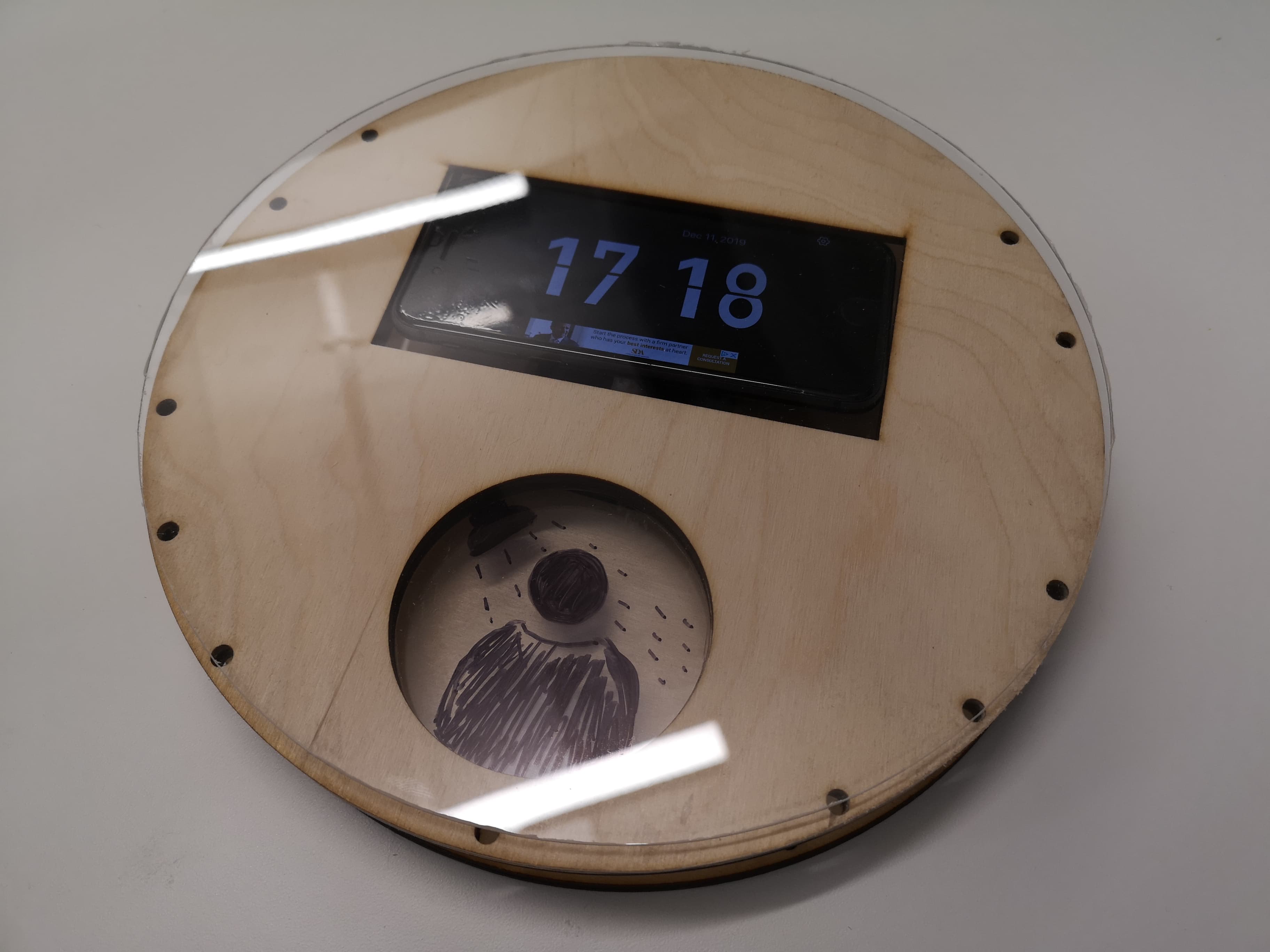
Our initial design was a physical product. We sketched and created many different prototypes in the beginning. We had a feedback session where we could get critical subject matter expert's feedback on our initial prototype. Then, we, again, had another feedback session with the second prototype. After going through a variety of iteration, research, and user journey, We landed on a cueing platform.
Modern home office setup with a monitor, ergonomic chair, keyboard, and indoor plants near a window with blinds.
Subject Matter Expertise Feedback

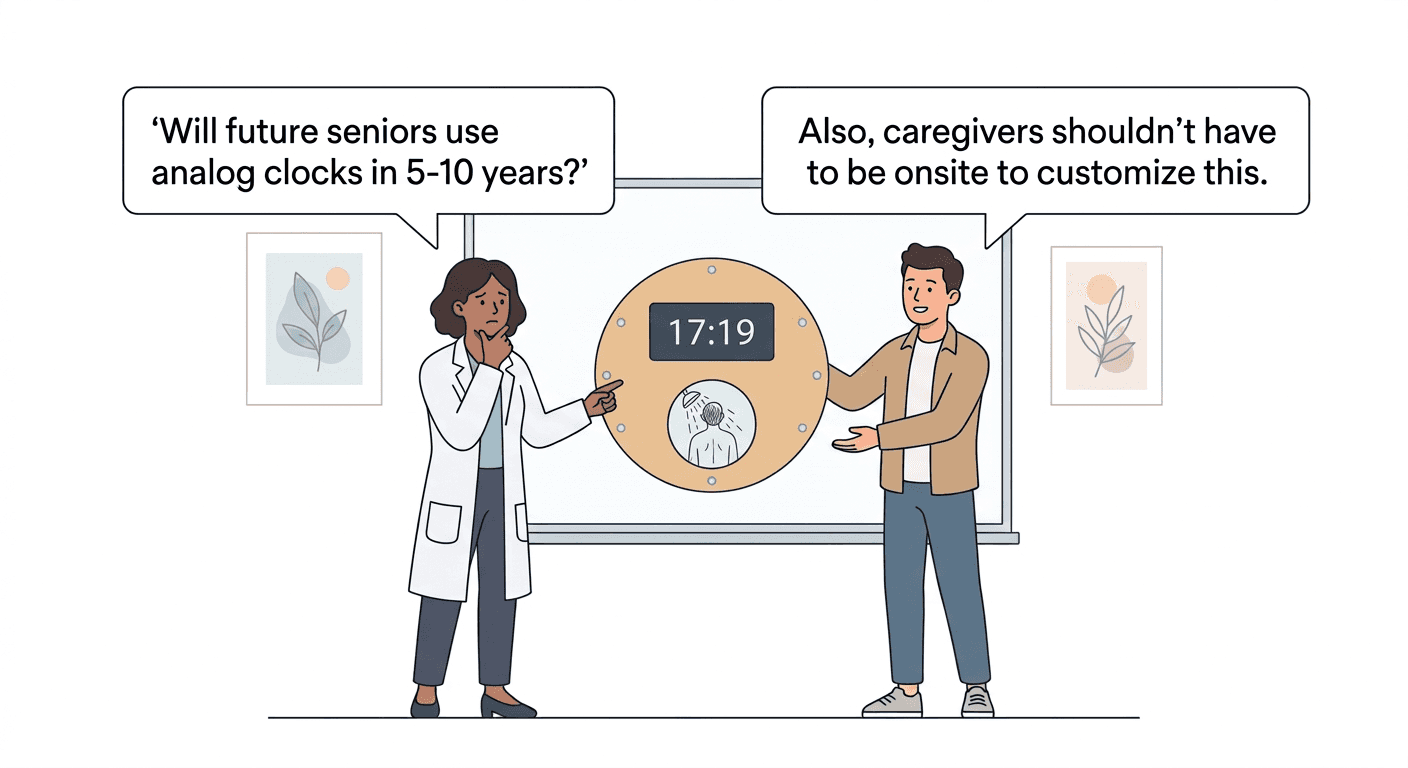
Presented to and Reviewed by more than 6 expertises of dementia care at Baycrest Hospital. They commented:
Modern home office setup with a monitor, ergonomic chair, keyboard, and indoor plants near a window with blinds.

We'vechosentofocusondigital.Theexistingmarkethaslargelyunderutilizedmoderntechnology,leavingsignificantopportunitytodosomethingmeaningfullybetter.

We'vechosentofocusondigital.Theexistingmarkethaslargelyunderutilizedmoderntechnology,leavingsignificantopportunitytodosomethingmeaningfullybetter.

Digital iterations

Planning & Feature development
Modern home office setup with a monitor, ergonomic chair, keyboard, and indoor plants near a window with blinds.

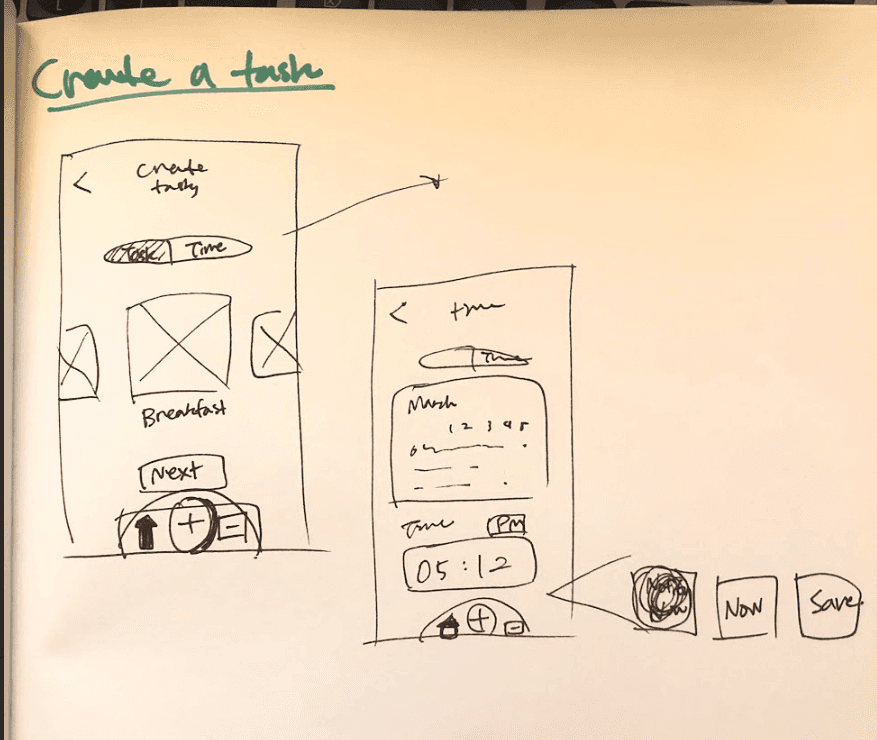
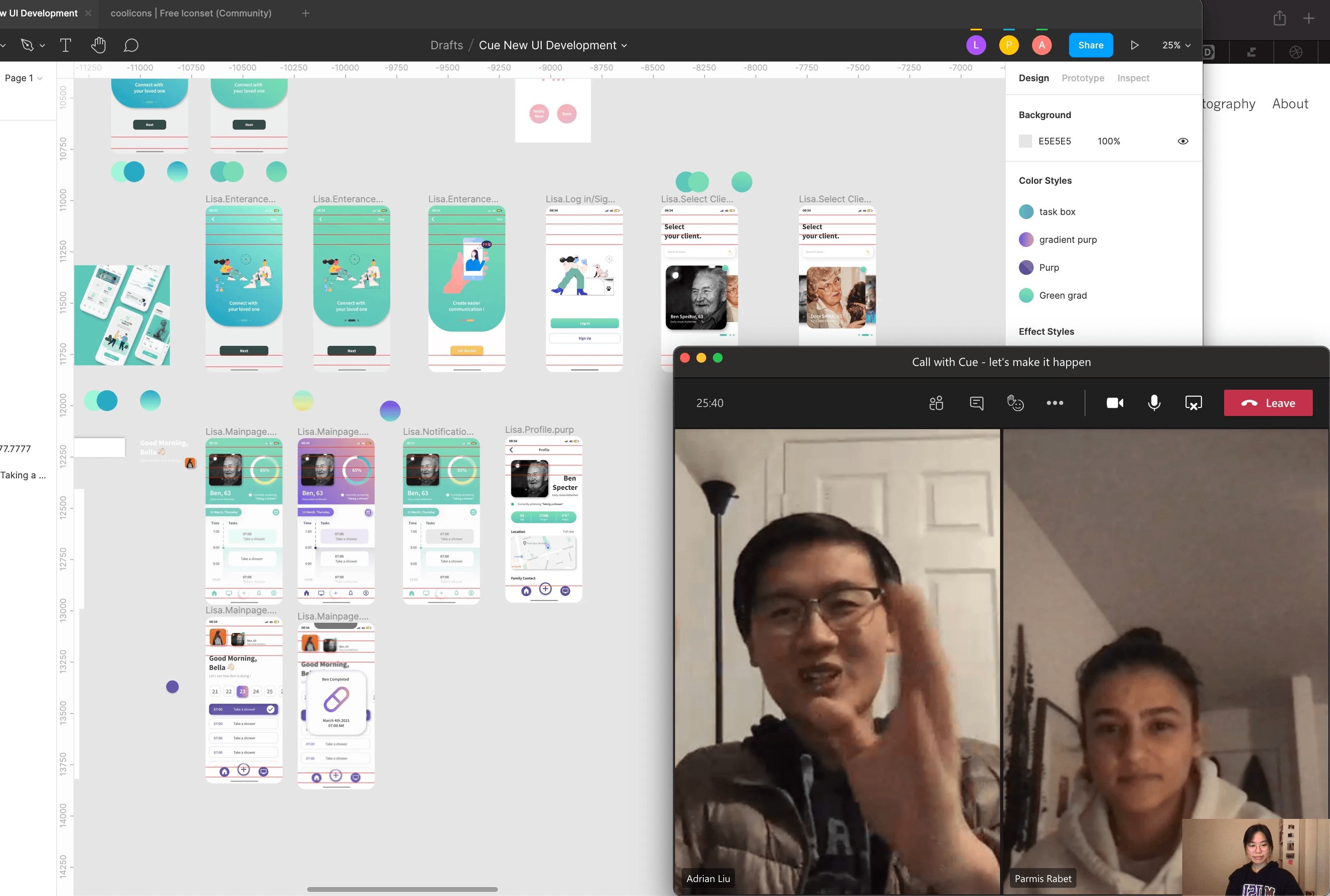
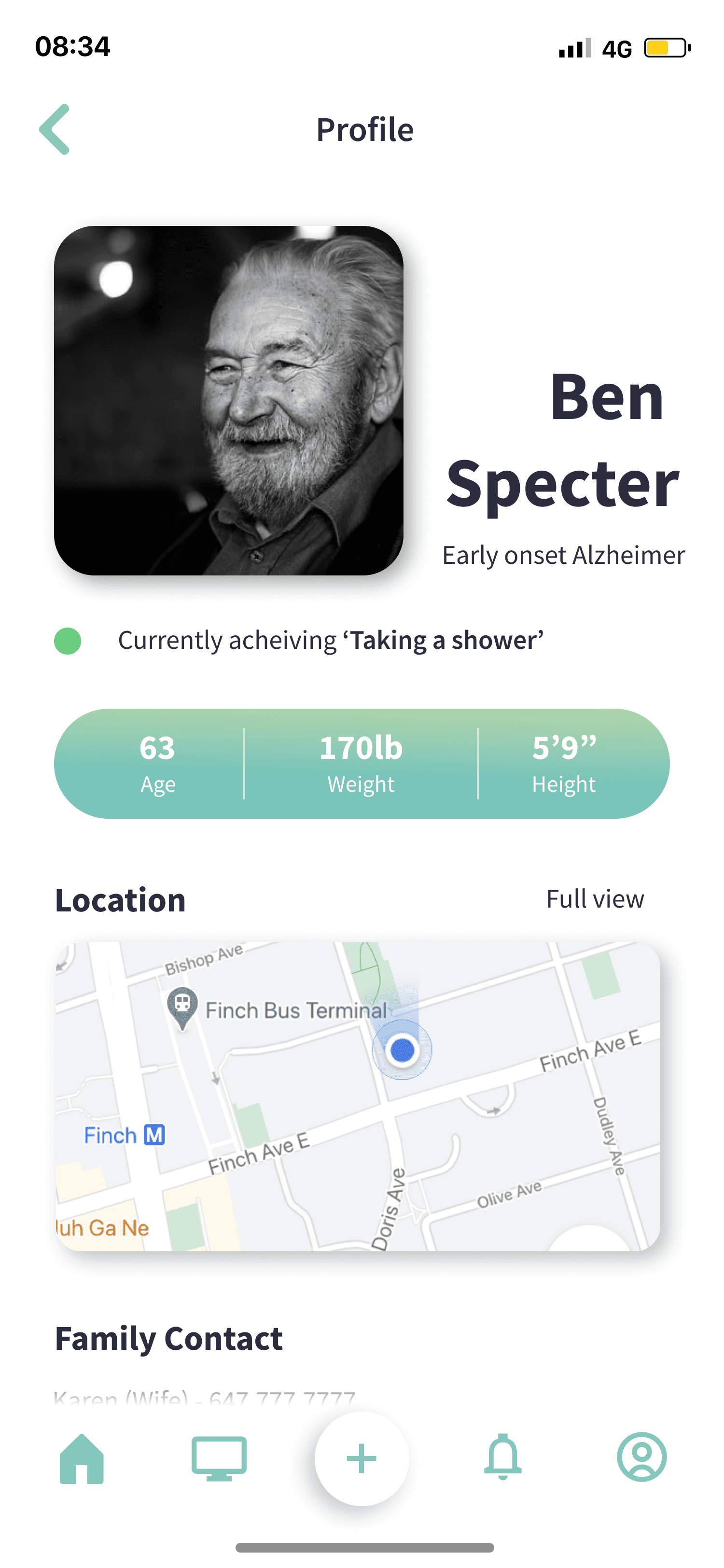
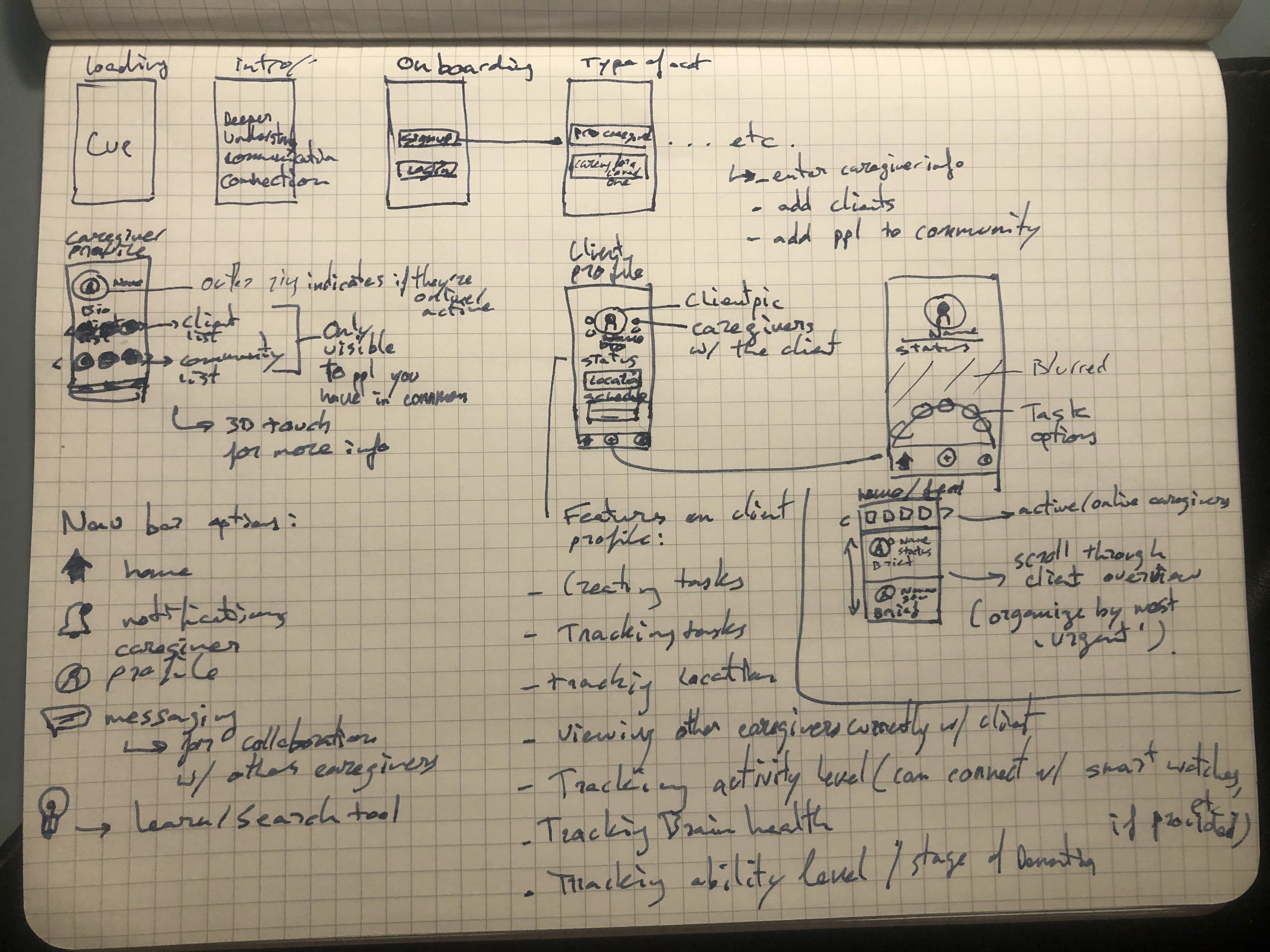
Wedevelopedanappwithbothaclientinterfaceandacompanioninterfaceforthecaregiver. Theappisaccessibletootherfamilymembersandtheywillbeabletotracktheclient’sconditionatanygiventimethroughouttheday.

Wedevelopedanappwithbothaclientinterfaceandacompanioninterfaceforthecaregiver. Theappisaccessibletootherfamilymembersandtheywillbeabletotracktheclient’sconditionatanygiventimethroughouttheday.

Final Design

Caregiver Interface

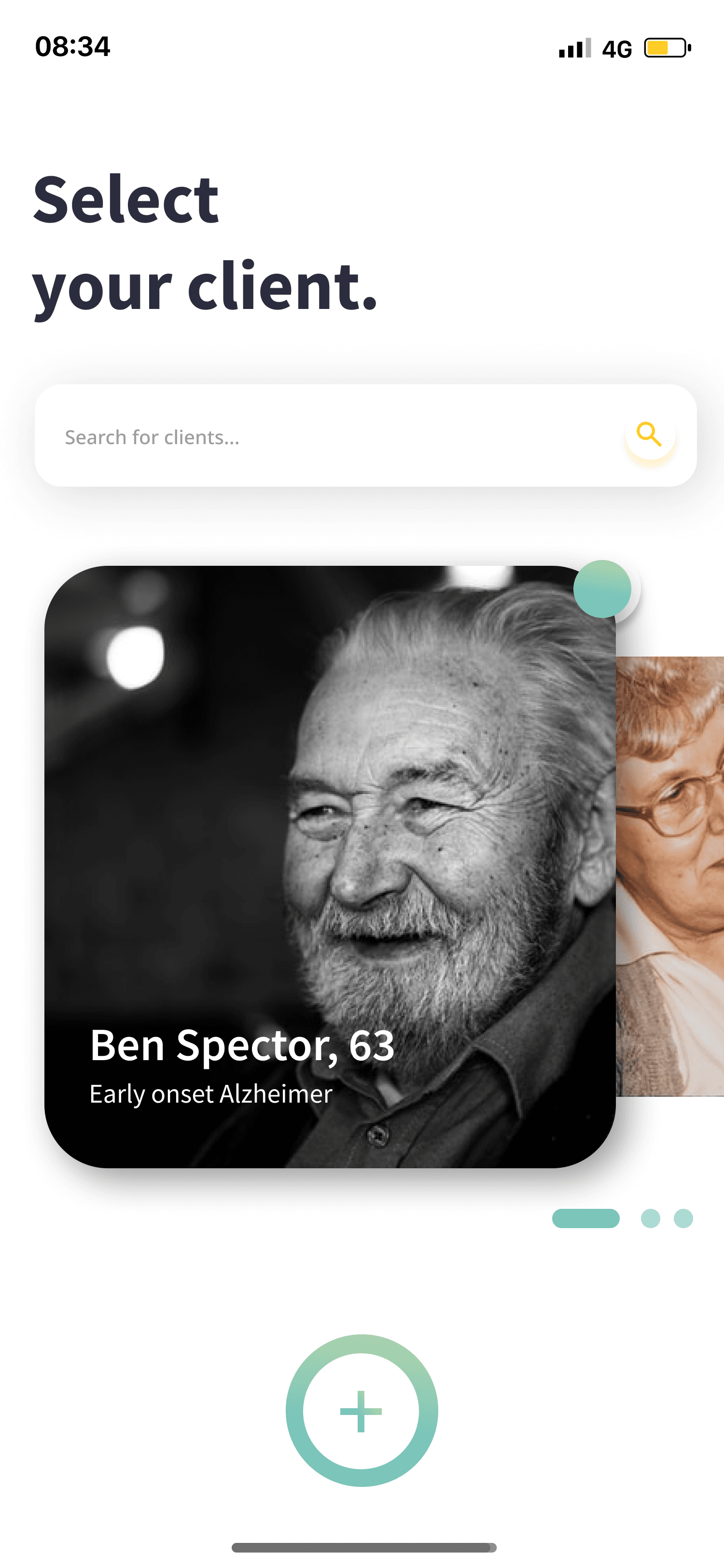
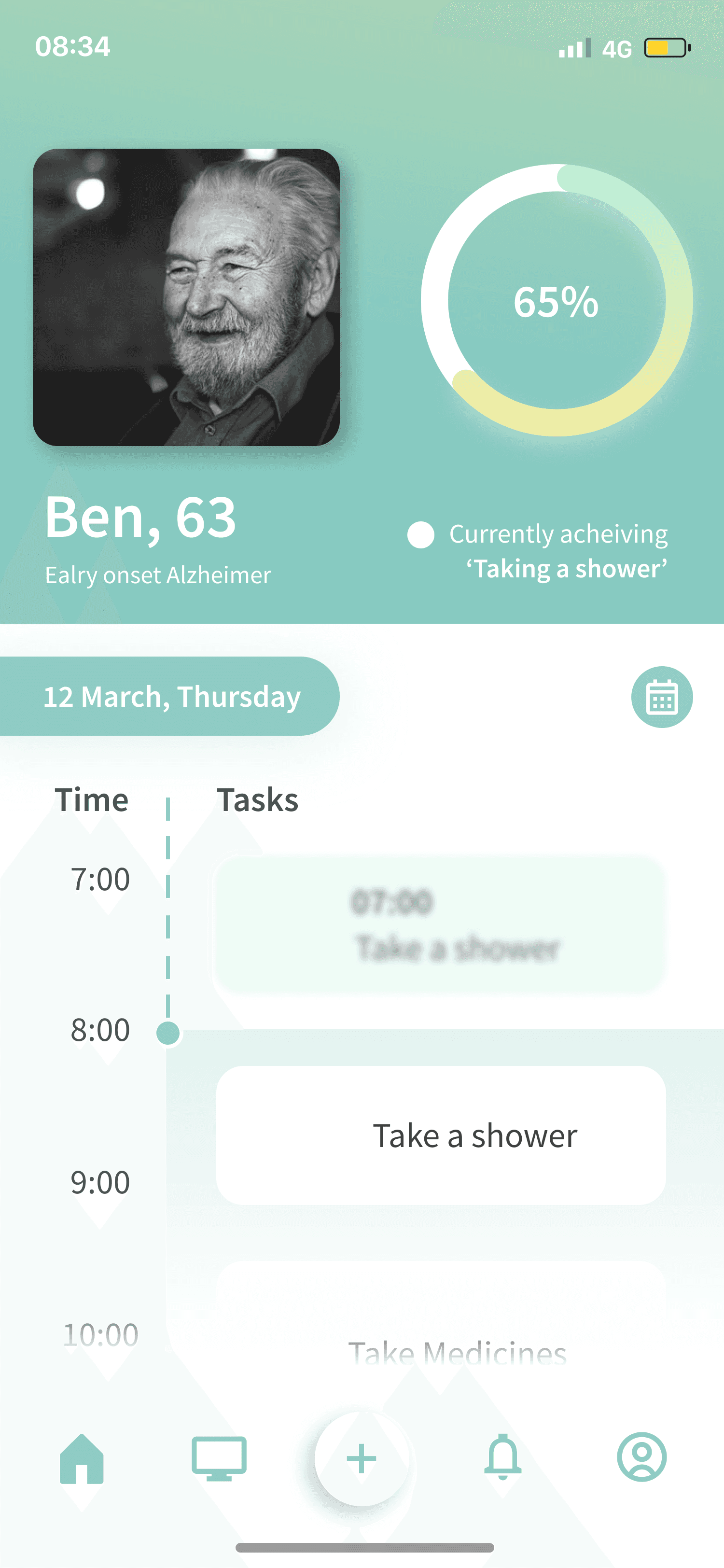
The caregiver interface allows them to set a certain task via app and push a notification as a cue helping client to achieve the task. This is especially useful when the caregiver is not next to the client.
Modern home office setup with a monitor, ergonomic chair, keyboard, and indoor plants near a window with blinds.

Patient Interface

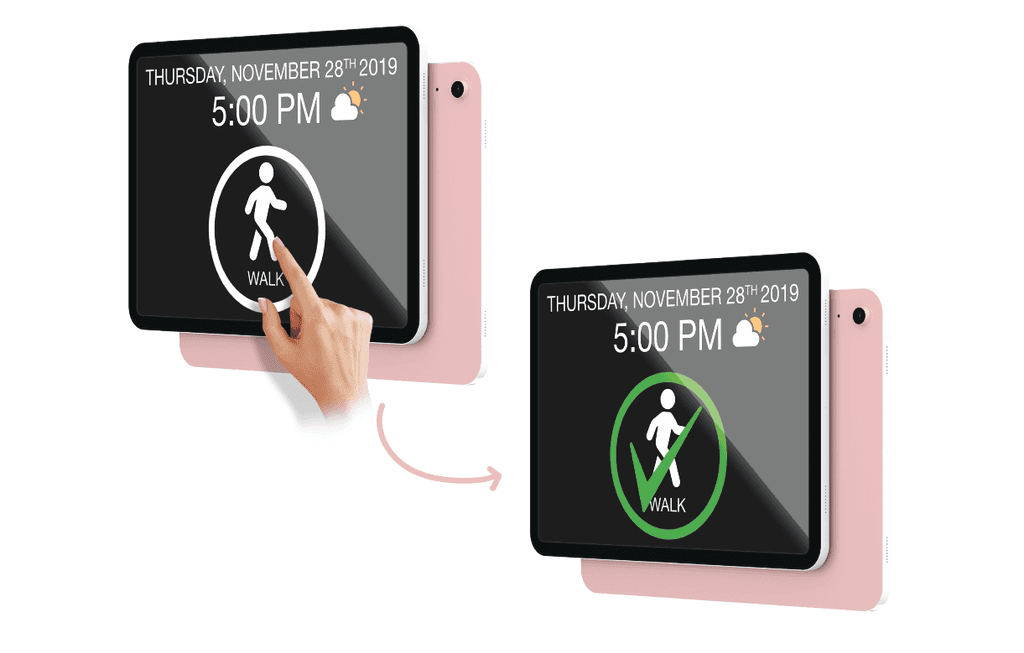
is designed with a simple, distinguishable, and non-irritating interface that is easy to operate, increasing the perceivability of information for older generations. Thus, it is achieved through features such as icons and bright contrasting colours.
Modern home office setup with a monitor, ergonomic chair, keyboard, and indoor plants near a window with blinds.

Uniqueness

What’s unique about cue

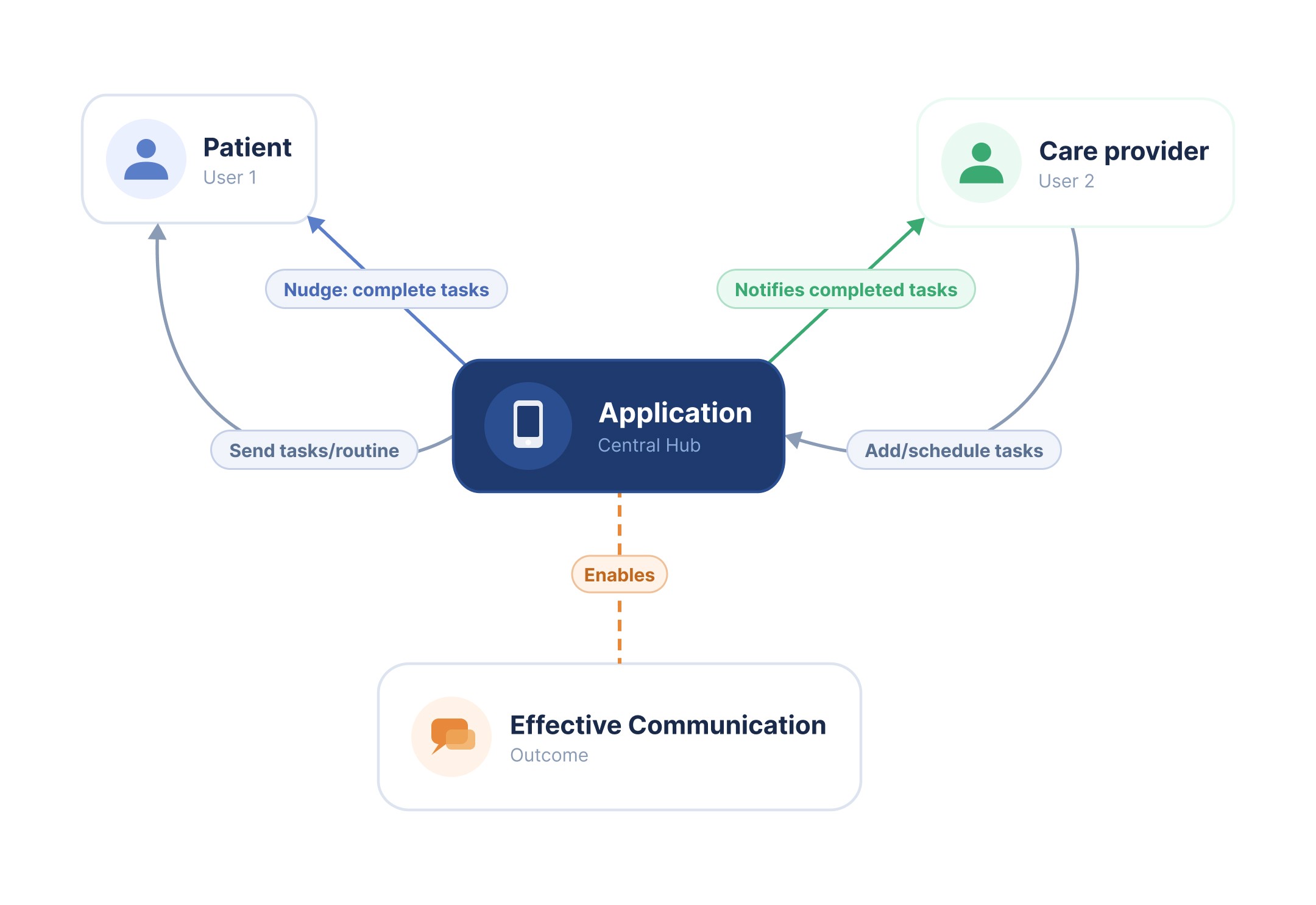
Unlike anything currently on the market, our companion app connects caregivers and patients in a shared, real-time experience. Family members can also access the platform to monitor their loved one's condition throughout the day.

Our design uses icon-based visual cues to make routines easier to understand and follow — no text-heavy instructions, just clear, intuitive prompts. Caregivers can assign and track tasks remotely, from anywhere.

We know that routine is transformative for people living with dementia. Our system is built around that insight — helping clients build consistency, confidence, and independence over time.
Modern home office setup with a monitor, ergonomic chair, keyboard, and indoor plants near a window with blinds.

Our next step

The Next Step: Starting a venture as a student

To accelerate our venture, we pursued funding and support across three key areas: front and back-end development, and subject matter expertise in dementia care. We prioritized partnerships with healthcare professionals who could offer both practical insight and evidence-based guidance as we built our solution.

We reached out to hospitals and potential sponsors to share our vision and explore opportunities for collaboration.

Showcase

Ambassador as a student from OCAD U

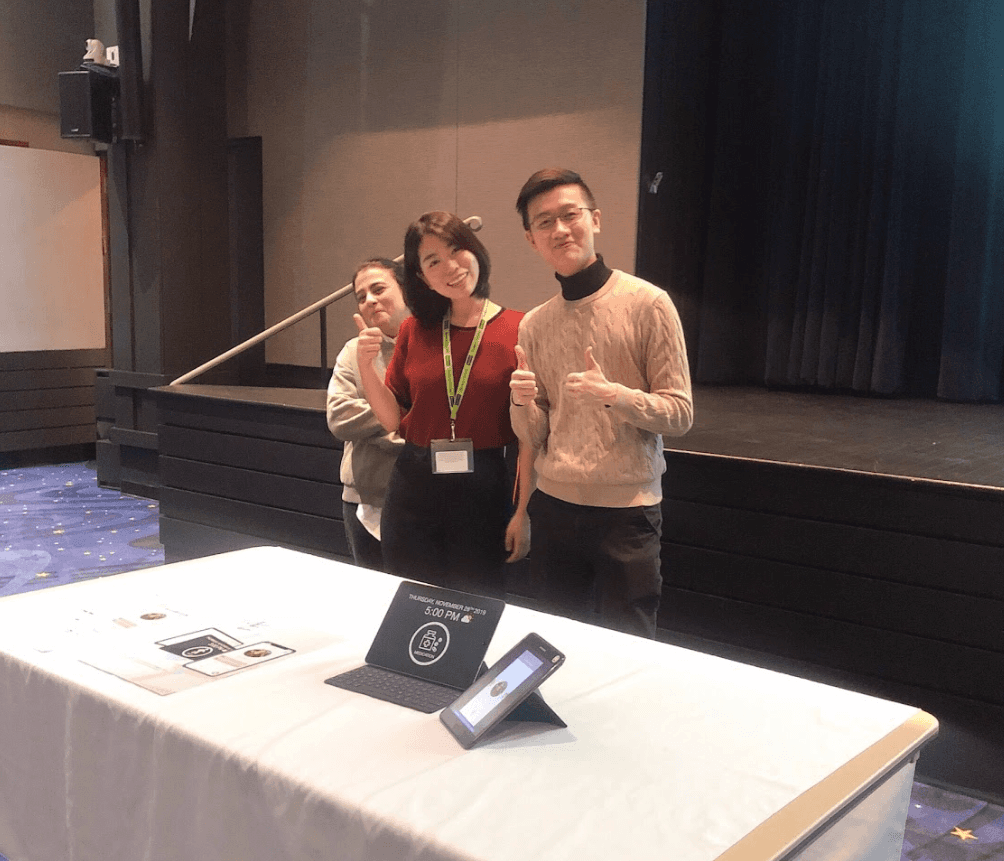
Since beginning to pitch our idea to hospitals and sponsors, we've been honoured to be invited to several exhibitions to showcase Project CUE.

We'd like to take this moment to sincerely thank the faculty and professors at OCAD U, as well as our partners at Baycrest Hospital, for their guidance and support throughout this journey. Their involvement has been invaluable — and we wouldn't be here without them.
Modern home office setup with a monitor, ergonomic chair, keyboard, and indoor plants near a window with blinds.
Your browser does not support HTML5 video.

🌱 Takeaways

Through out the 4 month journey, we learned about employing empathy and using user-centered design to develop a product. And very much enjoyed each process.

One area of success would be the dual apps that work together. What that could be improved would be to continue developing this app and expand it to be also used with wearable tech such as smart watches.

⚡ Challenges

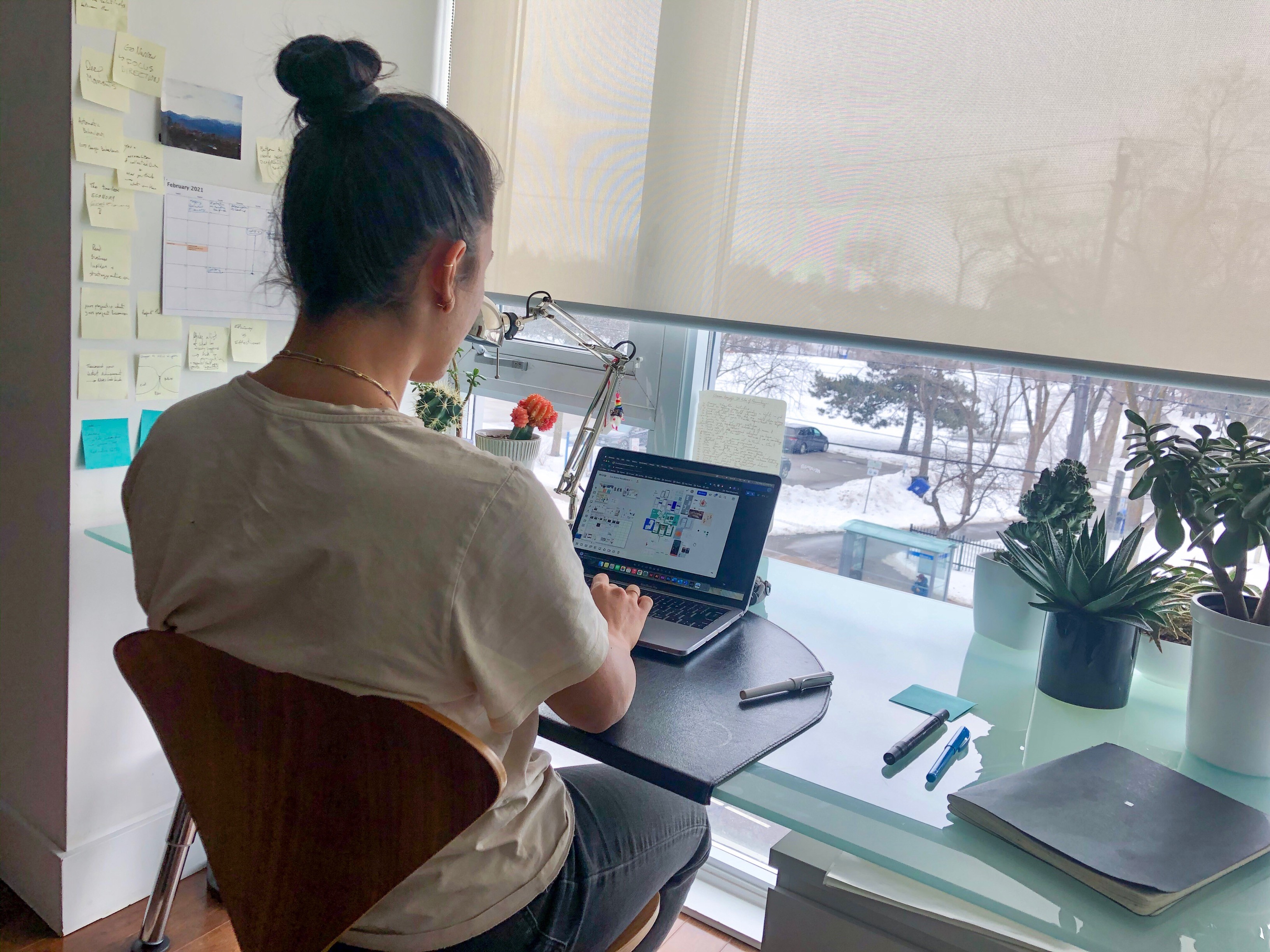
As this is my and our team's first UX/UI project, we struggled in the beginning how we should approach the design process and the clients.

With the lack of business strategy, usability testing, and creative confidence, It was definitely a difficult task to find sponsors and potential collaborators.

But we were glad that ambiguity boosted our persistency. As we do more research and build our ideas and prototypes, we were encouraged as a team and able to finish the project successfully.
Explore other projects

ENHANCING APP ADOPTION

EXIT QUOTE EXPERIENCE

© 2026 Lisa Yi

Explore other projects

ENHANCING APP ADOPTION

EXIT QUOTE EXPERIENCE

© 2026 Lisa Yi